
What if the question we’ve been asking about human behavior is fundamentally wrong?
For generations, we’ve been conditioned to look at addiction, anxiety, depression, and even physical illness through a lens of dysfunction. We ask, “What’s wrong with you?”—a question that carries judgment, distance, and often, misunderstanding.
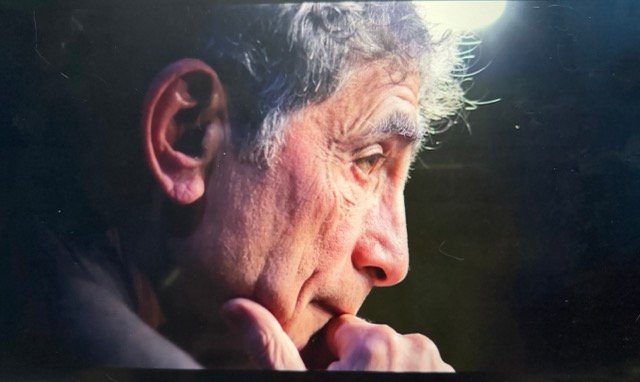
The documentary The Wisdom of Trauma, centered on the work of Dr. Gabor Maté, invites us to ask a radically different question:
“What happened to you?”
Trauma Is Not What You Think It Is
One of the film’s most powerful reframes is its definition of trauma. Trauma is not just the overtly catastrophic events we typically imagine—abuse, violence, or neglect. Instead, it is the internal wound left behind by distressing experiences, particularly when we lacked the support or connection needed to process them.
In this sense, trauma is not defined by the event itself, but by its impact on the nervous system, identity, and emotional world of the individual.
This subtle but profound shift changes everything.
The Hidden Root of So Many Struggles
The documentary makes a compelling case that many of the issues we treat as separate—addiction, mental illness, chronic disease—are often deeply interconnected. At their core, they may represent adaptive responses to unresolved pain.
Addiction, for example, is reframed not as a moral failure or lack of willpower, but as an attempt to soothe or escape unbearable emotional states. Anxiety becomes a hypervigilant nervous system shaped by past unpredictability. Even physical illness is explored as something that can be influenced by long-term stress and emotional suppression.
In this light, what looks like dysfunction begins to look more like survival.
The Importance of Early Relationships
A central theme of The Wisdom of Trauma is the role of early childhood experiences. Human beings are wired for connection, and our earliest relationships—especially with caregivers—shape how we experience ourselves and the world.
When those relationships are marked by inconsistency, emotional absence, or subtle disconnection, children often adapt in ways that help them maintain attachment. They may suppress emotions, ignore their own needs, or become hyper-attuned to others.
These adaptations are intelligent. They help the child survive.
But over time, they can become the very patterns that lead to distress in adulthood—difficulty with boundaries, chronic anxiety, or a disconnection from one’s authentic self.
Trauma Lives in the Body
Another key insight from the film is that trauma is not just psychological—it is physiological.
Unprocessed trauma can become embedded in the body, shaping stress responses, immune function, and overall health. The nervous system may remain in a state of chronic activation or shutdown, long after the original threat has passed.
This helps explain why trauma can manifest not only as emotional suffering, but also as physical symptoms that seem difficult to trace or treat.
Stories That Humanize the Experience
Throughout the documentary, real people share their stories—individuals navigating addiction, incarceration, and mental health challenges. These narratives are not presented to shock or sensationalize, but to illuminate a deeper truth:
When we understand the context of someone’s life, their behavior begins to make sense.
Compassion becomes almost inevitable.
A Different Vision of Healing
Rather than offering quick solutions, The Wisdom of Trauma points toward a broader, more humane approach to healing.
It suggests that recovery is not about “fixing” what is broken, but about reconnecting with what was lost or suppressed—our emotions, our bodies, our sense of self, and our capacity for authentic connection.
On a societal level, it calls for trauma-informed systems in healthcare, education, and justice—systems that recognize the role of past experiences in shaping present behavior.
The Wisdom Within the Wound
Perhaps the most powerful message of the film is embedded in its title: trauma, while deeply painful, also carries wisdom.
The adaptations we develop in response to trauma are not random—they are meaningful. They tell a story about what we needed, what we endured, and how we survived.
And when we begin to understand that story, we open the door not only to healing, but to transformation.
In shifting the question from “What’s wrong with you?” to “What happened to you?”, we don’t just change how we see others—we change how we see ourselves.
And that shift may be where healing truly begins.