
Ask The Therapist
Q&A for Curious Teens who want to Improve their Mental Health.
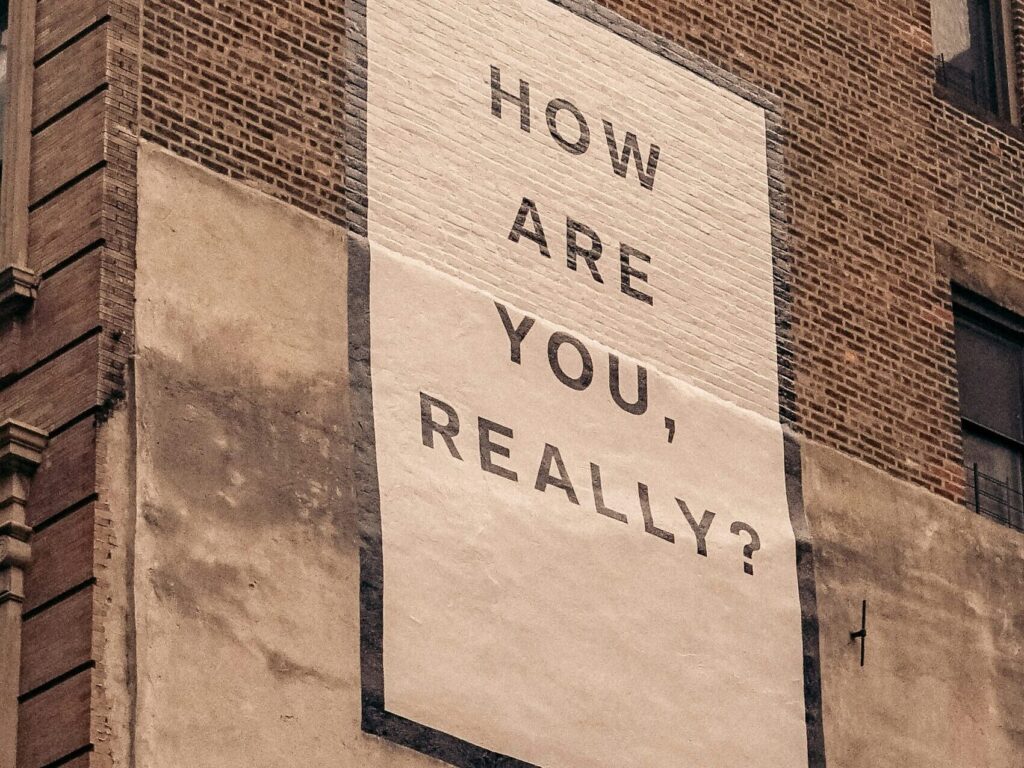
Teens face many stressors and feel big emotions. This is a space where you can ask questions about mental health, coping skills, social dilemmas, or relationship issues without judgment, privately and safely.
The Question:
I feel like my problem has no solution. What do I do?
The Therapist’s Answer:
“When you have exhausted all possibilities, remember this. You haven’t.” — Thomas Edison
- I’ve thought about everything I could do, but none of them would work.
- Have you talked to anyone about it?
- Do you have another perspective other than your own?
- Have there been times in your life when you couldn’t find a solution, but then you did?
- I can’t talk to anyone. I think they’d be mad.
- Make a list of all the people in your life.
- Take the time to think about every single person on the list and really evaluate how supportive they would be. You’ll find at least one person who is safe.
- Think about how you would handle it if someone got mad. Maybe you have the strength to face it.
- I don’t deserve to feel better.
- You definitely deserve to feel better. If you have that belief, it comes from criticisms or negative messages you’ve gotten from others. Ignore them. They’re wrong.
- What if I try everything and still nothing works?
- As long as you’re asking for outside perspective, something will work.
- You don’t need to argue with yourself about this. Just tell yourself that you’ll wait and see.
- If nothing works even after you’ve gotten support and outside perspective, maybe you can take a break from thinking about the issue and focus on other things. After some time has passed, your thoughts will be a little clearer.
The Question:
How do I talk about my feelings and my problems without people getting mad, upset, or scared?
The Therapist’s Answer:
- You can and will feel better! This is not permanent.
Teen years are generally a tough time. You’re experiencing changes in your hormones, which can affect mood. You are also losing your childhood innocence and trying to figure out who you are as a person. This will not last forever — you will get comfortable with yourself and you will learn a lot as you grow. - Ask for what you need.
Adults in your life care about you and want to help. But sometimes they do what they think is best instead of trying to figure out what you want. Think about how you want them to react. Do you want someone to listen and understand? Do you want guidance on what to do? Do you want help to get out of a bad situation (like if you’re being physically, sexually, or emotionally abused)? Or are you not sure? Whatever it is, tell them. You are the one who knows best what you need because you’re the one feeling the pain. - Which adult in your life is easiest to talk to?
Choose someone who makes you feel safe, and who will listen to what you ask for. That can be a parent, a family member, a teacher, or a school counselor. - Safety is the most important thing.
If you are having thoughts of hurting yourself, it is important to get help. Depression and anxiety cloud your thinking, and you don’t want to make decisions that harm your health or your life when your thinking is clouded. (Suicide hotline # is 988.) - Don’t suffer in silence!
People might get upset if you mention you’re self-harming or you’re suicidal. It’s very scary for the people who love you to know that your physical wellbeing is in danger. That doesn’t mean you’re doing something wrong. You don’t have to take responsibility for their feelings. Let them use their own coping skills to deal. Just stay focused on getting what you need and talk to the person who is most helpful.
The Question:
How do I deal with low self-esteem?
The Answer:
- Low self-esteem comes from negative or critical messages.
Any criticism you receive is just an opinion. Your parents might criticize you because they want the best for you and think that criticism will motivate you. They are wrong, of course, but they mean well. And they definitely don’t want you feeling bad about yourself. Other kids might criticize you because they also feel insecure and want to feel superior. Social media criticizes you just by the unrealistic standards it portrays. - Negative self-talk is not based on reality. It is biased.
Just like well-meaning parents, your inner critic tries to help you by putting you down. The truth is that you are just a person, like everyone else. And just like everyone else, you are learning, growing, and evolving. Wherever you are on your journey, you are valuable just as you are. - Good people make mistakes. Making a mistake does not make you a bad person.
My mentor, Mike Elkin, likes to say, “To me you look just like a human being. So of course you make mistakes.” We all sometimes do things we know we shouldn’t do. It’s all part of being human. - Smart people sometimes do dumb things. Doing something dumb does not make you a dumb person.
Yes, even the smartest people out there sometimes do things that show poor judgment. Sometimes, we might let our feelings guide our actions. We don’t always think things through. All we can do is learn to do better next time. - Strong people sometimes need help. Needing help does not make you a weak person.
It is actually a measure of strength to be able to ask for help. It shows that you are strong enough to recognize and accept that you’re not perfect. Life is hard. There will be things that make us sad, overwhelmed, scared, or angry. There will be situations we won’t know how to handle. No matter how smart you are, when you try to solve a problem by yourself, you only have access to one mind — your own. If you ask for help, there will be more than one mind coming up with solutions. - Successful people sometimes fail. Failing at something doesn’t make you a failure.
I’m sure you’ve heard this many times. But it’s important to repeat it and truly believe it. The only way we really learn is by failing and making mistakes. Even the most impressive people have failed. - What is cool for one generation is not cool in the next. “Cool” is a passing phase – it’s not a real measure of who you are.
In the 1990s, these things were cool: wide leg pants with metal chains hooked to wallets, baseball caps worn backwards, “popcorn” shirts, and inflatable furniture. In the early 2000s, these things were cool: crispy & crunchy hair, visors worn backwards, dresses over jeans, and low rise jeans. How many of these things are still cool now? Would you be bullied for doing any of these things? Yet, in the previous years, you’d be admired. - Everyone forms opinions based on their own experience. If someone judges you, it means that their experience is different; they don’t get to decide what’s right for you.
It is very important to remember this. Judgments are just opinions. Opinions are based on personal experience. Sometimes people’s personal experiences are filled with negativity or judgment, and they bring that out onto people around them. You can form your own opinions, and it’s always good to notice the best in people and in yourself.
The Question:
This is the first entry, before any questions come in. To get us started, I will share some facts about feelings that you might find helpful.
The Therapist’s Answer:
Here are 4 things to know about feelings ~
- Feelings are triggered by change — big or small. This means that changes in our environment, relationships, or activities can trigger different feelings.
- Feelings don’t just disappear. If you ignore your feelings, all you are doing is closing the door to a part of yourself. Sometimes that might be necessary so that you can cope, but in the long term, bottled up feelings can become overwhelming.
- Feelings can be deceiving. Sometimes it’s hard to tell what you’re really feeling. For example, anger can present as sadness, or sadness as anger. Or sometimes anxiety can present as boredom. It is important to get to know your feelings.
- Feelings can change. Sometimes our feelings are really big and we can’t see outside of them. Painful feelings are especially powerful, and sometimes it might seem like they will never end. But all feelings have starting and stopping points.
Disclaimer: This column is for educational and supportive purposes and does not replace individual, professional medical advice or therapy. If you are experiencing a mental health emergency or feeling unsafe, please text or call 988 immediately (US/Canada) to reach the Suicide & Crisis Lifeline. It is free, confidential, and available 24/7. If you would like to message me (Liliana) directly, you can send me an email at lilianaspractice@gmail.com. It is a private email address and I am the only one who reads it.