

Do I want to go to my appointments?
Just your attendance in therapy will tell you if it’s helpful.
If you feel like going, you’re getting something out of it.
If you hesitate or avoid, something is off. It doesn’t mean your therapist is not good or that therapy is not for you, but it does mean that something needs to change.
What’s the reason for your inconsistent attendance?
- I’m afraid I’ll get overwhelmed with emotion.
- I don’t know what to talk about.
- I feel like my therapist doesn’t really get me.
- Once I’m there, I don’t want to leave.
- I feel ashamed that I need therapy.
It is very important to bring this up with your therapist. Don’t keep going without addressing these concerns. Sooner or later, you will stop going and conclude that therapy doesn’t work.
Have I learned anything new about myself?
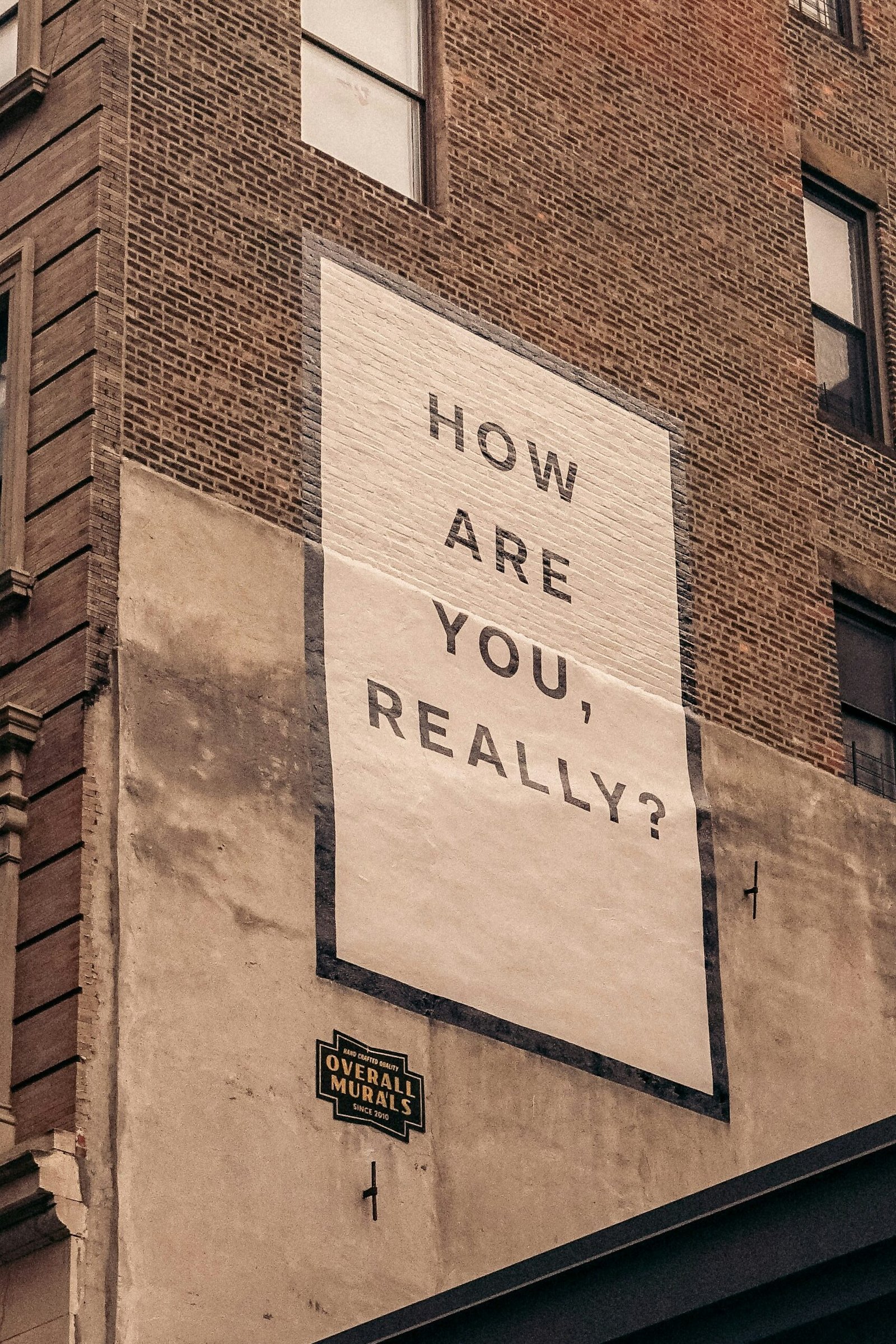
We often protect ourselves from painful emotions by tuning out certain parts of ourselves. Some things feel too uncomfortable to face. Good therapy will make it more tolerable to look inward and find these blind spots.
Am I doing anything differently, even if small?
Changes are not usually big or immediate, especially for longstanding habits. But some change should be happening, even if it’s just internally.
- Are you more curious about yourself?
- Do you give other people more grace?
- Do you reflect on unhealthy habits without as much guilt?
- Do you feel less scared or less resistant to making changes?
Do I have to keep pushing myself to sustain changes?
If you’re fighting each day to sustain the change, it may be short lived. It’s just willpower, and willpower can break if new stressors come up. Real change feels stable. Your nervous system and your automatic responses start to shift.
Is it easier to talk about topics I avoided in the past?
Shame is a powerful deterrent, and it is at the root of most unhealthy behaviors. Shame makes certain topics taboo. As therapy progresses, shame should start to decrease. For example, if being “needy” is seen as shameful in your family, you might deny any need and focus on being self-reliant. If therapy is working, it would get easier to acknowledge need.
Have any of my relationships changed?
The change here is also gradual. We all have to make peace with the fact that people around us are unlikely to change. Therapy is working when we focus on changing ourselves, not other people.
- Does it feel easier to be around people that pushed your buttons in the past?
- If you are a people pleaser, has it gotten easier to say ‘no’?
- If you got angry a lot, is it easier to calm down and respond assertively, but not aggressively?
- If you pushed people away, has it gotten easier to let them in?
Do I feel hope?

Hope is also an essential component of progress. If you have hope, then you trust therapy to make a difference. You can feel the progress, even if your outward behaviors haven’t changed yet. You’re on the right track.
Click here to share how/if therapy has worked for you.
Click here to ask questions about this blog.